admin

  • Blog

    How can low-temperature steel and carbon steel be distinguished with the naked eye?

    To the naked eye, low-temperature steel and carbon steel appear remarkably similar, making them difficult to distinguish based solely on visual inspection, as their appearance and color are essentially the same. However, following heat treatment, low-temperature steel exhibits superior mechanical properties and corrosion resistance—characteristics that carbon steel lacks. Consequently, these two types of steel can be differentiated by testing their mechanical and corrosion-resistant qualities. Specifically, low-temperature steel retains high strength and toughness in low-temperature environments, whereas carbon steel is prone to becoming brittle or losing strength due to temperature fluctuations. Mechanical testing reveals that low-temperature steel possesses higher yield strength…
  • Blog

    Can carbon steel bolts and stainless steel nuts be used together?

    While carbon steel bolts and stainless steel nuts can be used together in the short term, long-term use carries significant risks. 1. Material incompatibility is the root cause Carbon steel has a high iron content and is prone to rusting, whereas stainless steel contains alloying elements like chromium and nickel, providing corrosion resistance. When in direct contact within a humid environment, galvanic corrosion occurs; the stainless steel acts as the cathode, accelerating the oxidation and rusting of the carbon steel bolt. In coastal areas or outdoor equipment, for instance, this combination can lead to thread seizure within just a few…

  • Blog

    Key Points on the Application and Installation of Lifting Eye Bolts

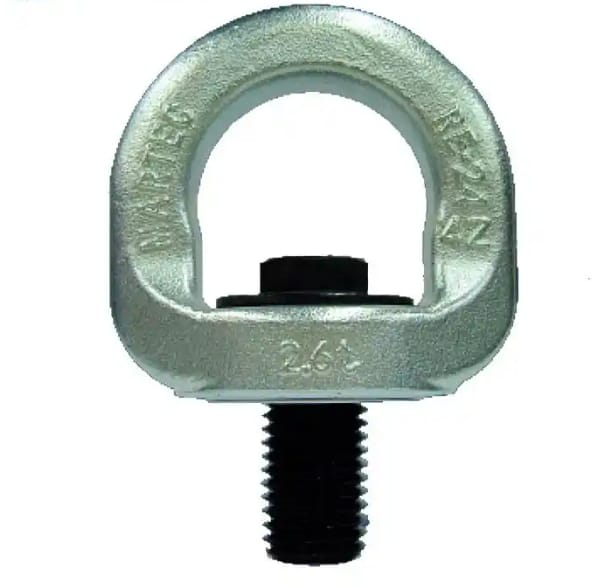
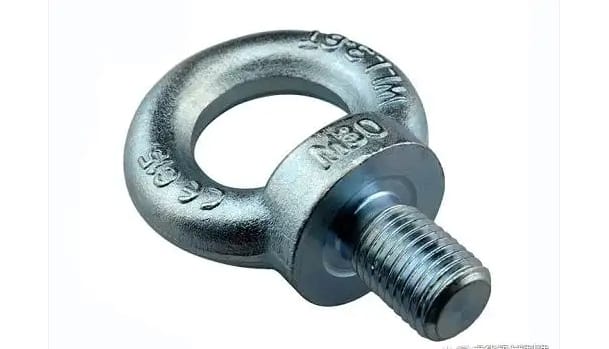
    As the core fastener connecting a lifting eye to the base structure, the lifting eye bolt’s performance directly determines the reliability of the entire lifting system. The component must withstand axial tension and shear forces while resisting loosening caused by vibration; consequently, there are strict requirements regarding strength grade, anti-loosening design, and surface treatment. Common specifications include high-strength bolts of grade 8.8 or 10.9, typically manufactured from 40Cr or 35CrMo steel. In terms of technical specifications, the thread precision must meet the 6g class to ensure a tight fit with the lifting eye’s threaded hole. The bolt head is usually…

  • Blog

    Do not use excessive force to push the tightening limits of the eye bolt.

    The eye bolt is a quintessential example of rigging hardware, playing a vital role in numerous lifting and hoisting operations. Primarily serving as a connection and anchor point for lifting gear, its structural integrity is crucial to the safety of these operations. So, what factors influence the security and stability of an eye bolt? Chenghua Manufacturing provides the answers below. The safety of lifting operations is inextricably linked to the material of the eye bolt. These eye bolts are forged from high-strength alloy steel as a single unit and undergo normalizing and descaling treatments. The forgings are free from defects…

  • Blog

    Are iron screws stronger, or steel ones?

    I. Characteristics of Iron and Steel Screws Iron screws are primarily composed of iron and carbon; they generally possess lower strength than steel screws and are susceptible to oxidation and corrosion. Steel screws are composed of iron, carbon, and other alloying elements; they are harder, more resistant to rust and corrosion, and better able to withstand harsh conditions such as high temperatures, acids, and alkalis. Consequently, steel screws are relatively stronger and more durable. In contrast, iron screws are prone to becoming brittle and rusting; once exposed to adverse environmental conditions, they are liable to fail or come loose. However,…

  • Blog

    How to check the tightness of an installed wire thread insert?

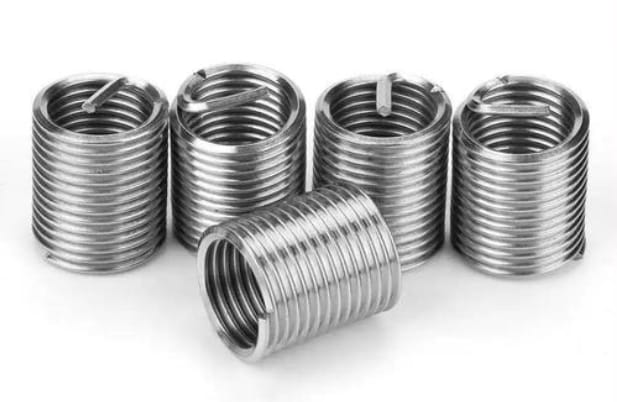
    The method for checking the tightness of wire thread inserts can be summarized as “inspect, measure, and verify”: I. Visual Inspection After installation, first observe whether the wire thread insert is flush with the surface of the base material. Under normal conditions, the complete thread coils should be evenly exposed without significant misalignment, and the overall depth should not exceed one-quarter of the insert’s length. If localized protrusions or depressions are detected, an adjustment tool must be used for correction. II. Tool-based Inspection 1. Feeler Gauge Test: Use a feeler gauge with 0.05 mm precision and slide it into the…

  • Blog

    Will galvanized screws rust?

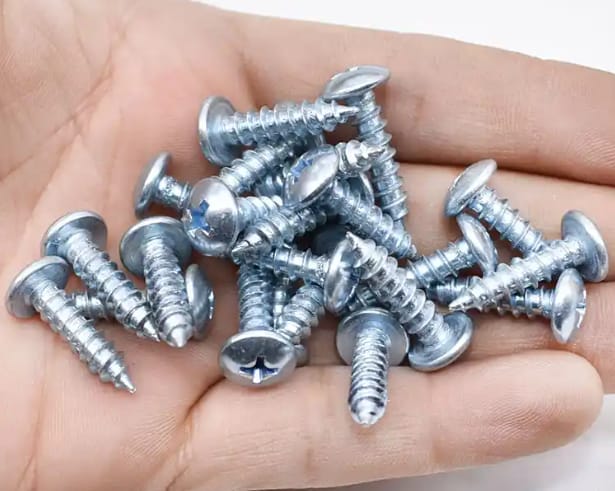
    Galvanized screws are primarily chosen for their aesthetic appeal and ease of installation, with rust prevention being a secondary benefit. However, does galvanizing truly guarantee immunity to rust? That depends on the quality of the surface treatment and the conditions of use. Galvanizing does not make a screw completely rust-proof; rather, it delays the onset of rusting. The zinc coating corrodes first; the thickness of this layer determines how long the screw resists rust—a sufficiently thick coating can last over a decade without issues. If the zinc layer corrodes enough to expose the underlying iron, the corrosion process accelerates, though…

  • Blog

    Analysis of the Corrosion Protection Principles and Advantages of Hot-Dip Galvanized Bolts

    In industrial manufacturing, structural engineering, and outdoor infrastructure, bolts serve as critical fasteners; their corrosion resistance directly impacts the safety and service life of the project. Hot-dip galvanized bolts feature a dense zinc-alloy coating that creates a dual-action protective mechanism—combining physical and electrochemical defenses—to effectively withstand environmental stressors such as moisture, salt spray, and chemical agents. This process not only enhances durability but also makes these bolts the preferred choice for outdoor, coastal, and high-pollution environments. I. Anti-Corrosion Principles of Hot-Dip Galvanizing: Synergistic Dual Barriers The anti-corrosion efficacy of hot-dip galvanizing stems from the combination of physical coverage and electrochemical…

  • Blog

    The Important Role of Zinc Plating on Screws

    Surface treatments for screws, such as electroplating, are designed to enhance corrosion resistance, aesthetic appeal, and service life. Zinc plating is one such common method. So, what exactly are the specific benefits of zinc plating for screws? Enhanced Corrosion Resistance and Aesthetics Zinc plating significantly alters both the appearance and performance of screws. Compared to untreated screws, zinc-plated versions offer superior corrosion resistance, a better finish, and a longer lifespan. This treatment is widely used across various applications to ensure screws function reliably over the long term. Properties of Zinc and Its Protective Role Zinc is a metal known for…

  • Blog

    What are the anti-loosening requirements for securing bolts with safety wire?

    Lock-wiring bolts is a common anti-loosening method, primarily used to prevent bolts from coming loose under vibration or dynamic loads. The following outlines the anti-loosening requirements for safety-wiring bolts and the safety precautions to observe during the process: Anti-Loosening Requirements for Safety-Wiring Bolts Material Selection: Safety wire is typically made of low-carbon steel, stainless steel, or brass; low-carbon steel wire is the most commonly used.Wire Gauge: The wire diameter should be between 1/3 and 3/4 of the safety hole diameter to ensure it fits through the hole while providing sufficient friction to prevent loosening.Tensioning Direction: The wire must be tensioned…