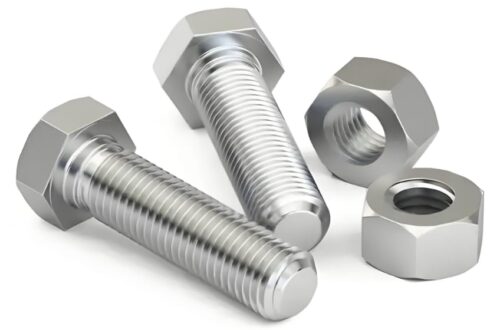
Lock-wiring bolts is a common anti-loosening method, primarily used to prevent bolts from coming loose under vibration or dynamic loads. The following outlines the anti-loosening requirements for safety-wiring bolts and the safety precautions to observe during the process:
Anti-Loosening Requirements for Safety-Wiring Bolts
Material Selection: Safety wire is typically made of low-carbon steel, stainless steel, or brass; low-carbon steel wire is the most commonly used.
Wire Gauge: The wire diameter should be between 1/3 and 3/4 of the safety hole diameter to ensure it fits through the hole while providing sufficient friction to prevent loosening.
Tensioning Direction: The wire must be tensioned in the same direction as the fastener is tightened to effectively prevent loosening.
Twisting Method: The wire should be pulled taut using the shortest path; the twist must be uniform with no visible gaps, maintaining a rate of 6–8 twists per inch.
Tail Length: Leave approximately 0.5 inches of wire at the end and bend it back on itself to prevent the wire from unraveling.
Inspection: After installation, verify that the wire is under proper tension and shows no signs of damage.
Safety Precautions During the Safety-Wiring Process
Avoid Reusing Wire: Always use new safety wire for each installation; do not reuse wire, as fatigue or damage can cause it to fail.
Prevent Wire Damage: Exercise care when cutting and installing the wire to avoid damage such as breakage; replace the wire if any damage is detected.
Use Proper Tools: When using safety-wire pliers, ensure the edges of the gripping jaws have sufficiently large radii to avoid damaging the wire.
Personal Protection: Wear appropriate personal protective equipment (PPE), such as safety glasses and gloves, during the operation to prevent scratches or injuries caused by the wire or tools.
Wire Disposal: Do not leave cut wire ends on the aircraft or in the work area; collect all cut wire scraps properly rather than discarding them haphazardly.
By adhering to the anti-loosening requirements and safety precautions outlined above, you can effectively prevent bolt loosening and ensure the safety and reliability of mechanical components.