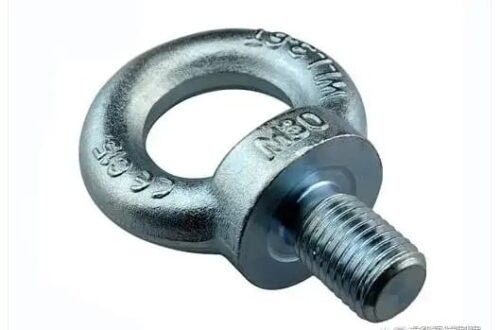
As the core fastener connecting a lifting eye to the base structure, the lifting eye bolt’s performance directly determines the reliability of the entire lifting system. The component must withstand axial tension and shear forces while resisting loosening caused by vibration; consequently, there are strict requirements regarding strength grade, anti-loosening design, and surface treatment. Common specifications include high-strength bolts of grade 8.8 or 10.9, typically manufactured from 40Cr or 35CrMo steel.
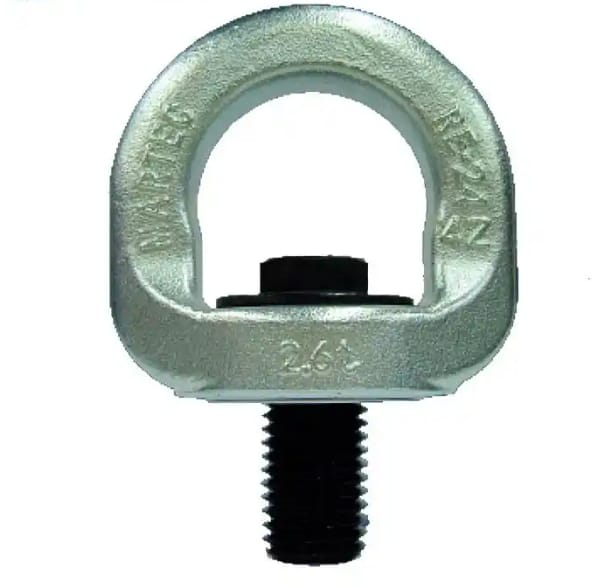
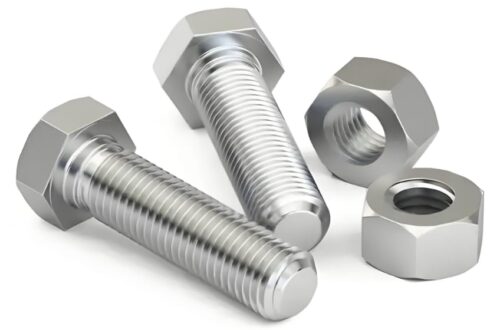
In terms of technical specifications, the thread precision must meet the 6g class to ensure a tight fit with the lifting eye’s threaded hole. The bolt head is usually designed as a square or hexagonal shape to facilitate the application of standard torque using a wrench. Critical areas, such as the thread root, require radiused transitions to minimize stress concentration. Some models utilize fine threads to enhance tensile strength and fatigue resistance.
Regarding load analysis, the bolt primarily bears the combined effect of preload and operational loads. Installation torque must be precisely controlled; insufficient torque leads to loosening, while excessive torque causes yielding. Common anti-loosening measures include double nuts, spring washers, thread-locking adhesives, or locking washers. In high-vibration environments, the Spiralock thread profile is recommended to improve resistance to loosening.
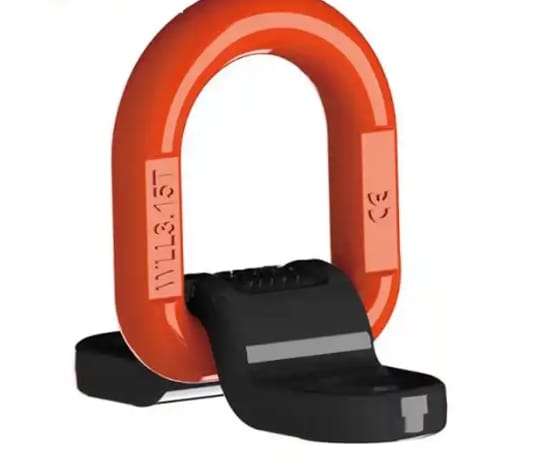
In practical applications, lifting eye bolts are widely used at critical connection points, such as in bridge bearings and heavy equipment installations. For the lifting of high-speed rail track slabs, grade 10.9 bolts are required, and the torque-angle method is employed to ensure consistent preload. Some projects mandate hydrogen embrittlement testing to prevent post-plating fracture.
Future developments include smart bolts (featuring built-in strain gauges to monitor preload), corrosion-resistant coatings (such as zinc-nickel alloys), and modular designs (for rapid replacement). With the advancement of digital construction, bolt installation data will be integrated into BIM systems, enabling full-process traceability and management.