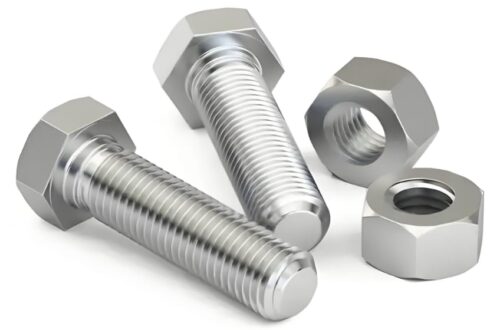
I. Characteristics of Iron and Steel Screws
Iron screws are primarily composed of iron and carbon; they generally possess lower strength than steel screws and are susceptible to oxidation and corrosion. Steel screws are composed of iron, carbon, and other alloying elements; they are harder, more resistant to rust and corrosion, and better able to withstand harsh conditions such as high temperatures, acids, and alkalis.
Consequently, steel screws are relatively stronger and more durable. In contrast, iron screws are prone to becoming brittle and rusting; once exposed to adverse environmental conditions, they are liable to fail or come loose.
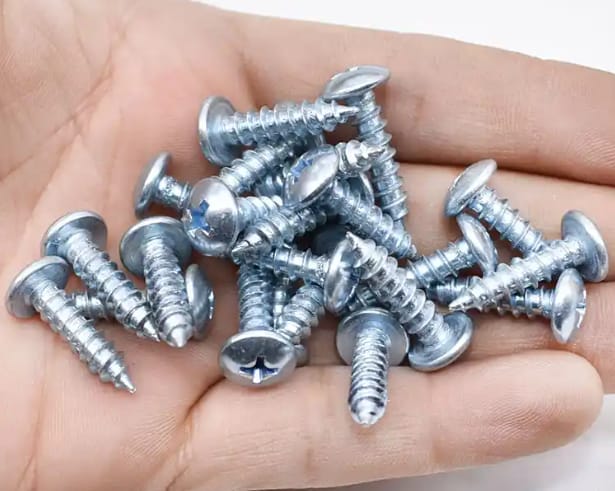
However, it is important to note that there are various types of steel screws—such as 304/316 stainless steel and alloy steel screws—each with differing levels of strength, corrosion resistance, and temperature tolerance. Therefore, the choice of screw should be based on the specific application environment and requirements.
II. Why Generalizations Should Be Avoided
While steel screws are generally harder, more durable, and more resistant to rust and corrosion than iron screws, the choice depends on the specific material. Furthermore, when using screws, one must consider factors beyond the inherent strength of the screw itself:
Quality of the screw hole: If the screw hole itself is of poor quality, the screw—whether iron or steel—may come loose.
Quality of installation tools: Inappropriate or poor-quality tools can lead to issues such as insecure fastening or screw slippage.
Environmental impact: Specialized environments—such as those involving vibration, chemical exposure, or high temperatures and pressures—require screws of appropriate materials and specifications.
Therefore, in practice, one cannot simply declare iron or steel screws to be universally stronger; a comprehensive assessment is required. Optimal fastening results are achieved by selecting the right screw material, specifications, and installation tools, while ensuring the operating environment minimizes risks of rust, loosening, or contamination.
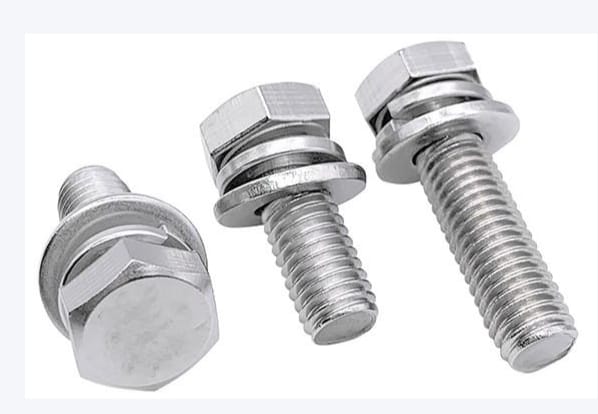
Iron and steel screws each have distinct characteristics, and neither can be universally deemed stronger than the other; the most suitable screw must be selected based on the specific application environment and requirements. During use, it is also necessary to consider factors such as the quality of the screw holes and installation tools, as well as the impact of the operating environment, to ensure secure fastening and avoid subsequent problems arising from issues like screw quality.