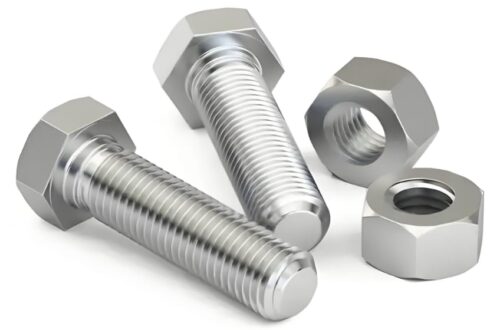
Galvanized screws are primarily chosen for their aesthetic appeal and ease of installation, with rust prevention being a secondary benefit. However, does galvanizing truly guarantee immunity to rust? That depends on the quality of the surface treatment and the conditions of use.
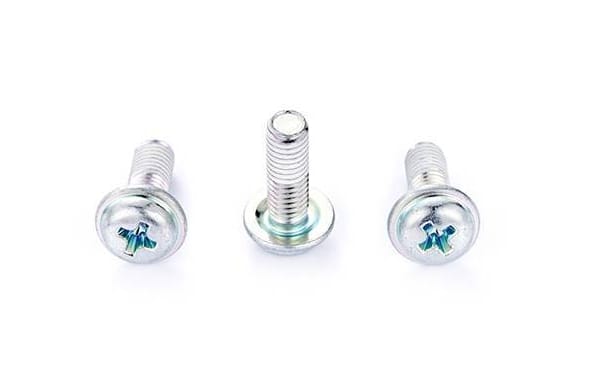
Galvanizing does not make a screw completely rust-proof; rather, it delays the onset of rusting. The zinc coating corrodes first; the thickness of this layer determines how long the screw resists rust—a sufficiently thick coating can last over a decade without issues. If the zinc layer corrodes enough to expose the underlying iron, the corrosion process accelerates, though the zinc continues to offer some protection to the iron. Significant rusting of the iron itself generally only occurs once a large area of the zinc coating has corroded away.
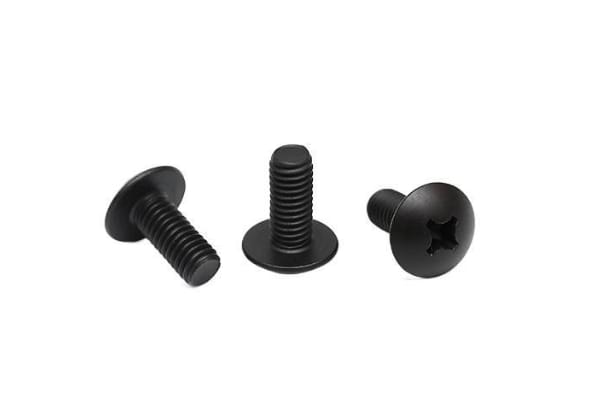
Consequently, high standards for surface treatment are essential. Only a surface treatment suited to the specific environment will ensure optimal rust resistance. In stable indoor environments with favorable conditions, these screws are highly resistant to rust—effectively rust-proof for practical purposes. Conversely, if used in harsh environments, such as coastal areas, they are more prone to rusting. Performance depends on the screw’s ability to withstand salt spray testing; the longer it endures the test, the better its rust-resistant capabilities.