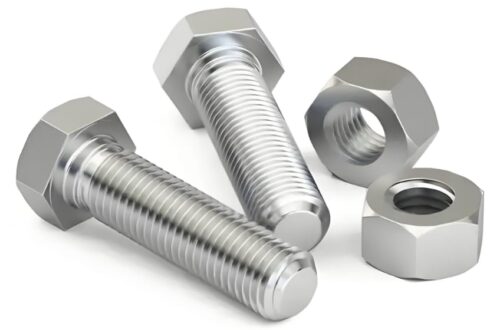
In industrial manufacturing, structural engineering, and outdoor infrastructure, bolts serve as critical fasteners; their corrosion resistance directly impacts the safety and service life of the project. Hot-dip galvanized bolts feature a dense zinc-alloy coating that creates a dual-action protective mechanism—combining physical and electrochemical defenses—to effectively withstand environmental stressors such as moisture, salt spray, and chemical agents. This process not only enhances durability but also makes these bolts the preferred choice for outdoor, coastal, and high-pollution environments.
I. Anti-Corrosion Principles of Hot-Dip Galvanizing: Synergistic Dual Barriers
The anti-corrosion efficacy of hot-dip galvanizing stems from the combination of physical coverage and electrochemical protection provided by the zinc layer. Regarding the physical barrier, molten zinc adheres to the bolt surface at high temperatures, forming a uniform, dense alloy layer that physically isolates the base metal from moisture, oxygen, and corrosive agents. Electrochemical protection relies on the fact that zinc is more chemically active than iron; if the coating sustains localized damage, the zinc acts as an anode and corrodes preferentially—sacrificing itself to protect the underlying steel. This “cathodic protection” mechanism significantly extends the bolt’s service life. Experimental data shows that hot-dip galvanized bolts can withstand salt spray tests three to five times longer than standard electro-galvanized bolts and offer a service life exceeding 20 years in marine environments.
II. Three Key Advantages of Hot-Dip Galvanized Bolts
1. Versatility Across Environments: From coastal wind turbines to inland chemical pipelines, and from highway guardrails to urban steel structures, hot-dip galvanized bolts excel in complex environments characterized by high humidity, high salinity, and exposure to strong acids or alkalis. For instance, in cross-sea bridge projects, these bolts withstand seawater spray and salt-laden air, thereby reducing both the frequency and cost of maintenance.
2. Long-Term Cost-Effectiveness: Although the initial cost of hot-dip galvanizing is slightly higher than that of standard electro-galvanized or painted bolts, their exceptional longevity drastically lowers the total lifecycle cost. Taking outdoor telecommunications base stations as an example, using hot-dip galvanized bolts can reduce replacement frequency by over 50% and prevent structural safety hazards caused by bolt corrosion. 3. Environmental Protection and Sustainability: Zinc coatings are 100% recyclable, and the hot-dip galvanizing process generates no harmful volatile emissions, aligning with green manufacturing trends. Unlike painting, hot-dip galvanizing eliminates the need for periodic touch-ups and reduces solvent usage and waste generation, making it better suited to the requirements of a low-carbon economy.
Whether for large-scale infrastructure projects or precision equipment manufacturing, hot-dip galvanized bolts have become a standard choice in industrial fastening due to their reliable corrosion resistance and cost-effectiveness. Advancements in materials science and surface treatment technologies continue to refine the hot-dip galvanizing process—such as by controlling coating thickness and uniformity—thereby further enhancing bolt performance in extreme environments. For engineers and procurement professionals, selecting hot-dip galvanized bolts ensures product quality while serving as an investment in the long-term stability of the project.